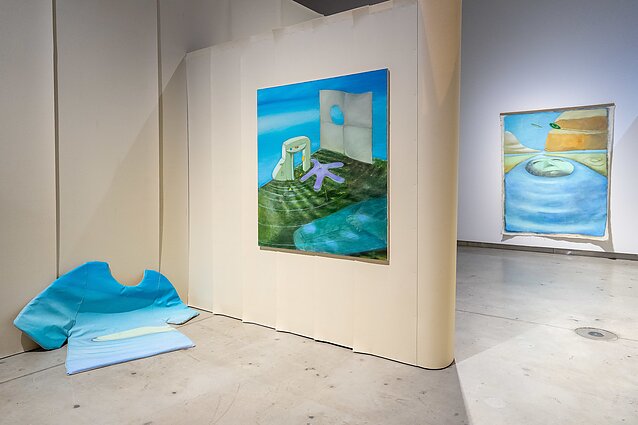









A new exhibition at MO Museum in Vilnius will delve into what it means to grow up in a world where the online and the real world no longer remain separate, according to a press release by the Vilnius municipality.
Opening April 18, the exhibition brings together twenty artists born between 1993 and 2001 from eleven countries across Central and Eastern Europe, exploring what it feels like to grow up in a world where nothing stays separate – fear and pleasure, private and public, online and real.
The exhibition is curated by Michal Novotný from the National Gallery Prague with co-curation by Marius Armonas.
“Over time, it became clear to me that this was the first generation to spend most of their adolescence on social media. I could see how profoundly this shaped their self-perception,” said Novotný.
The exhibition features artists from Lithuania, Latvia, Estonia, Slovakia, Georgia, the Czech Republic, Ukraine, Poland, Bulgaria, Romania, Croatia and Hungary.
Rather than constructing a single narrative or thematic structure, it functions as a survey, allowing visitors to recognise recurring attitudes emerging from the diversity of artistic approaches.
“For MO Museum, this reflects a desire to open new dialogues – to move beyond dominant Western art narratives and explore artistic processes along less familiar paths,“ said Milda Ivanauskienė, director of MO Museum.
A film by Tornike Gognadze from Georgia opens with two costumed figures at a table, sharing childhood memories – until the conversation tips into accusation and shame, ending with aerial footage of the Georgian parliament.
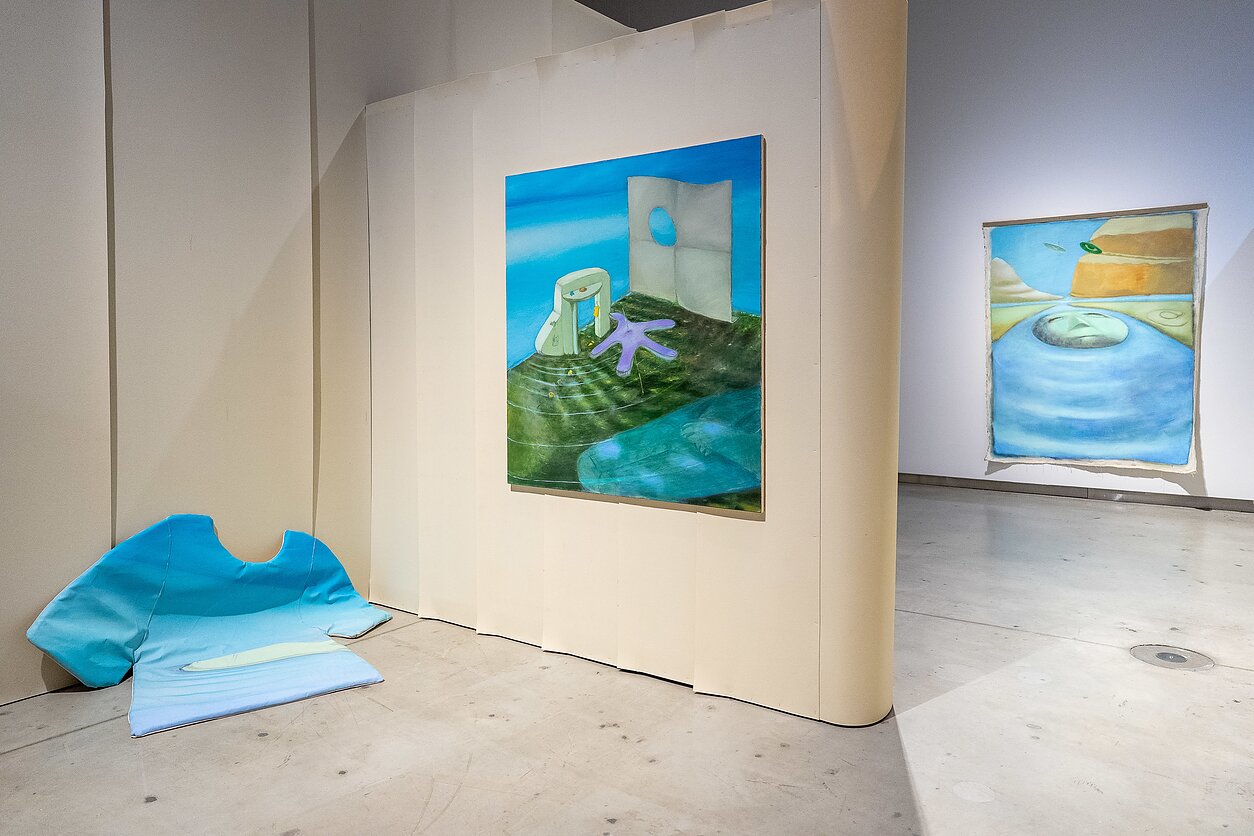
Dominika Kováčiková’s (from Slovakia) paintings look almost sweet at first – dreamy, hyper-feminine, soft – until something shifts and her girls don't stay pretty and passive.
On the other hand, Mara Verhoogt from Romania presents video and ceramic works that pull together the holy and the grotesque, the tender and the overwhelming – an atmosphere that is difficult to look away from.
Madlen Hirtentreu from Estonia constructs cybernetic creatures and damaged infrastructures that collapse past, present, and imagined futures into one – unsettling, but strangely alive.
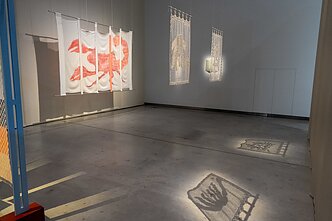
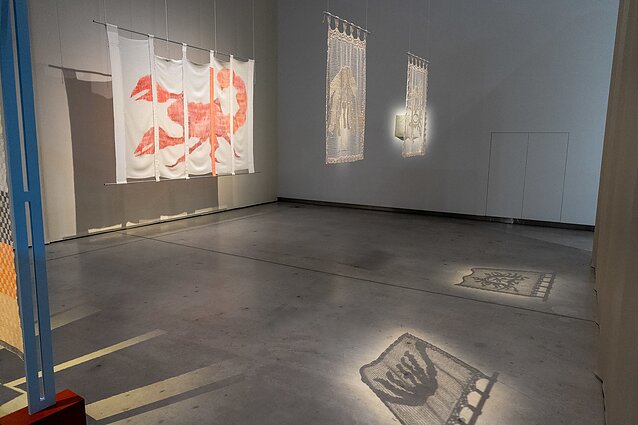
Lithuanian artist Morta Jonynaitė turns to weaving – tapestries that resist the speed of everything around them, holding the painful stories of women quietly and powerfully, giving form to shame and the things that often go unspoken.
Olga Krykun from Ukraine, whose paintings look light at first glance – dolls, flowers – but they slowly reveal themselves as portraits of time passing and things left unresolved.
The ambition of the exhibition is to bridge widening generational divides in a time of accelerated change. It also seeks to bring the perspectives of the youngest generation into closer dialogue with broader audiences, while reminding us that the world in which they now search for their voice was largely shaped by those who came before them.
Gen Z. All at Once will be open until August 30, 2026.

Newsletter
Every Friday morning.